
2026 State of Inclusive Excellence
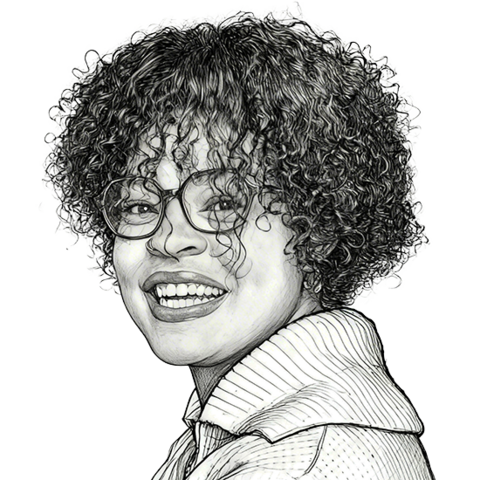
My work helps students cultivate a strong sense of belonging both on and off campus. Through affinity groups, students connect with others who share aspects of their identity, which helps them find where they fit while building community, friendships, and support systems. This work not only supports students, but also strengthens connections between the university and the broader community.
The six affinity groups on the OSU-Cascades campus support students from communities that have historically faced barriers and, in many cases, continue to do so. These groups create intentional spaces where students feel seen, heard, and valued, and where their identities are acknowledged and supported. A central goal of my work is to help cultivate community through these groups, so students feel connected on campus, have a sense of belonging, and have a space where they can be themselves. Through this work, students have access to consistent support that helps them navigate college systems more effectively. This can look like connecting them to resources and addressing challenges they may face when trying to access support on campus. I also advocate for students to ensure they are not left navigating these systems on their own, but instead have clear pathways and solutions available to them. In my role, I prioritize being accessible and responsive so I can support students in ways that meet their individual needs. My goal is to reduce unnecessary obstacles while also making sure students feel supported, confident, and able to fully engage in their college experience.
We are always looking for ways for students to build community both on and off campus. We work to partner with organizations across the Central Oregon community to create opportunities for students to get involved, learn about available resources, and find spaces where they feel a sense of belonging and community. We also seek out organizations that offer professional development opportunities so students can continue to grow and broaden their experiences.
My work reflects OSU’s Land Grant mission by promoting access to education, supporting student success, and strengthening connections between the university and the Central Oregon community. Through affinity groups and community partnerships, we help create opportunities for students to engage, learn, and find community both on and off campus, so the impact goes beyond just the university and into the communities we’re a part of.
We focus on creating spaces where students feel comfortable being themselves and experience a genuine sense of belonging. This includes hosting monthly meetings, organizing off-campus trips, and planning engaging events based on what students are interested in. This also includes facilitating termly all affinity group meet-and-greets so new and current students can connect and learn how to get involved.
I stay engaged in ongoing professional development to remain culturally responsive and informed. I approach my work with an open mind and a willingness to learn, knowing that students’ lived experiences are essential in shaping inclusive spaces. I prioritize listening and creating opportunities for students to share their perspectives so their voices guide the work I do.
In my role, I have seen meaningful outcomes at both the individual and community level. Students have built friendships and strong support systems through affinity groups, and many express a deeper sense of connection and belonging. Some students have gained employment opportunities through shared resources, and I have advocated for students in ways that have improved access to campus resources. Overall, I have seen positive changes in student experiences, campus culture, and community engagement.
What gives me hope is that the university recognized a need and took action to improve the student experience at OSU-Cascades. In just two years, affinity groups have already made a meaningful impact on campus life. Moving forward, I see opportunities to continue growing this work by expanding programs like The Bridge and increasing access to resources and community connections. As long as we stay committed to inclusivity, continue learning, and center student voices, I believe we can keep advancing inclusive excellence across the university.