
2026 State of Inclusive Excellence
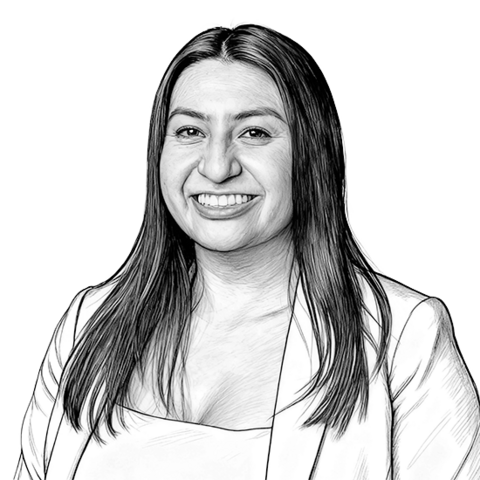
My work as the Chapter Advisor for SACNAS and MANRRS at Oregon State University contributes to improving professional development, communities, and systems by cultivating a diverse, well-prepared, and community-centered STEM workforce. Through mentorship, leadership development, and culturally responsive programming, I support students including students from historically underrepresented backgrounds in building the skills, confidence, and networks to thrive in science, agriculture, and natural resource fields.
My work expands access and opportunity by intentionally creating pathways for students who have historically faced barriers to entering and persisting in STEM fields. Through SACNAS and MANRRS, students gain access to mentorship, professional development, research opportunities, and national networks that they may not otherwise encounter.
I prioritize lowering barriers to participation by providing guidance on navigating higher education, applying for internships and graduate school, and securing funding to attend conferences. Additionally, I foster inclusive spaces where students feel seen, valued, and supported, which is critical for retention and long-term success. These efforts help ensure that students not only enter STEM fields but also persist and thrive within them.
Our program integrates community engagement by connecting students with opportunities that extend beyond the university and into the communities they serve. This includes partnerships with local organizations, alumni networks, and professionals working in agriculture, environmental science, and public service.
We emphasize the importance of applying knowledge in ways that are responsive to community needs, whether through outreach, service, or research that addresses local challenges. By encouraging students to engage with and learn from communities, we help them develop a sense of responsibility and a deeper understanding of how their work can create meaningful, real-world impact.
My work reflects Oregon State University’s Land Grant mission by advancing access to education, fostering public service, and strengthening community impact. Through SACNAS and MANRRS, I support students in applying their academic training to real-world challenges that benefit communities across Oregon and beyond.
By preparing students to contribute to fields such as agriculture, natural resources, and environmental science, this work aligns with the Land Grant commitment to practical education and community-centered solutions. Additionally, by expanding access and supporting underrepresented students, I help ensure that the benefits of education and research are more equitably distributed.
We support student success by creating a strong sense of community and belonging alongside structured professional and academic development opportunities. Students engage in mentorship, leadership roles, workshops, and networking experiences that help them build confidence and navigate their academic and career pathways.
We cultivate spaces where students feel valued and connected. This sense of belonging is critical to persistence, especially for students who may not see themselves reflected in their fields. By combining community-building with skill development, we support both personal and professional growth.
I use strategies that center students’ lived experiences and cultural identities as strengths rather than deficits. This includes creating programming that reflects diverse perspectives, inviting speakers and mentors from similar backgrounds, and fostering open dialogue around identity, equity, and inclusion.
I also prioritize listening to students and adapting programming based on their needs and feedback. By building trust and maintaining flexibility, I ensure that our work remains responsive, relevant, and grounded in the communities we serve.
National MANRRS and SACNAS students at OSU achieve a 6-year graduation rate of 30% higher than other underrepresented students at the university, showcasing the power of community, leadership, and cultural inclusion. I have observed increased student engagement, retention, and confidence among participants in SACNAS and MANRRS. Students are pursuing research opportunities, securing internships, attending and presenting at conferences, and applying to graduate and professional programs.
Beyond individual outcomes, there is a growing sense of community and peer support among students, which strengthens the broader OSU ecosystem. These outcomes demonstrate the importance of culturally responsive mentorship and community-centered programming in supporting student success.
The MANRRS and SACNAS Chapters at Oregon State University receiving the 2025 Chapter of the Year Award demonstrates national recognition of the impact and effectiveness of our work. This distinction reflects the strength of our programming, student leadership, and commitment to building inclusive and supportive pathways in STEM.
National and statewide recognition of SACNAS and MANRRS highlights the critical role these organizations play in advancing diversity, equity, and inclusion in STEM. It reflects the value of creating supportive pathways for underrepresented students and validates the impact of mentorship, community-building, and professional development.
What gives me hope is the resilience, leadership, and commitment of the students I work with. They are passionate about using their education to make a difference and are already contributing to positive change in their communities.
There is an opportunity to expand access to resources, strengthen community partnerships, and increase institutional support for programs that center inclusive excellence. Continued investment in mentorship, funding, and culturally responsive programming will be critical to sustaining and growing this impact.